Make a plan
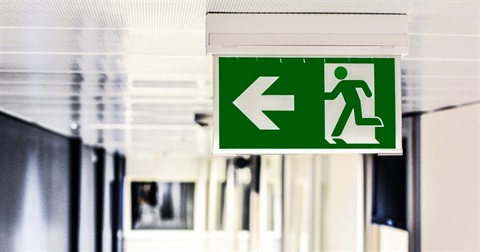
You can handle an emergency better if you are prepared. Taking time now to make a plan can make a big difference when an emergency happens.
There are a range of different planning tools available. You know what you and your family need, so choose the one that best suits your circumstances.
As part of your planning you should think about:
- Who do you need to include in your plan? Do you need to consider extended family, neighbours or pets?
- What do you need to know? What are the specific risks for your area? Where are the designated safer places?
- How will you know when to leave? Where will you go if you must leave? How will you get there? What is your plan B?
- What will you take? Create an emergency kit early so it is ready when you need it
- Where will you get your information from? Do you know what websites, apps or radio stations to rely on?
Write down your plan, practice it and share it. An emergency plan could save your life.
You can watch a recording from the Red Cross on personal emergency planning here.
General emergency planning tools
Red Cross RediPlan
The Australian Red Cross has been supporting people during times of disaster for many years. They have developed a range of information on how to prepare yourself and your family for any type of emergency.
The Red Cross website includes the RediPlan tool as a download or an app, and an emergency kit checklist.
Red Cross also provide an accessible, easy English version of the RediPlan tool, and tailored planning resources for specific groups of people.
First 72 Hours
This planning tool helps you think through how you would manage for 72 hours if you have limited access to services and supports. This could include if your property or town is isolated in an emergency, if you don’t have electricity or water, or if you need to evacuate.
The First 72 Hours tool can also help you identify key documents you should save, or make copies of, and what things you should include in an emergency kit.
You can download the plan template here(PDF, 39KB) .
You can also download the broader guidance here(PDF, 193KB) .
Planning tools for specific communities and cohorts
Some planning tools have been adapted for specific communities and cohorts.
The Australian Red Cross provide tailored planning resources for:
- older people
- people with disability
- people with chronic illness
- children and parents
- people who speak languages other than English
If you or a family member has a disability or chronic health condition the following tools may also be helpful:
Planning tools for specific types of emergency
If you are planning for a specific type of emergency, you may want to use a planning tool developed by lead agency for that emergency
Getting support with emergency planning
There are a range of options available if you need support with emergency planning.
- If you receive support through a community services organisation, for example through a child and family service, family violence or social housing program, you can ask your provider to help you prepare for an emergency.
- If you are part of the NDIS, you can also ask your provider to help you develop an emergency plan.
- People with disability, older people and people with chronic or acute health conditions can also request free emergency planning support through the Emergency Planning Advice Service.
- If you are part of a community group or organisation that would like a group session on developing an emergency plan, you can submit a request online, by phone, or by email at info@surfcoast.vic.gov.au
Vulnerable Persons Register
For some community members, there may also be an option to be included on the Vulnerable Persons Register. During an emergency, Victoria Police and other emergency agencies can use the Vulnerable Persons Register as part of their response, including for evacuation.
This program is for people who are frail, and/or physically or cognitively impaired, may have difficulties understanding or responding to emergency warnings, and are not able to get support from family or community.
If you think you, a family member, or someone in your community, may be eligible for the Vulnerable Persons Register, contact us online, by phone, or by email at info@surfcoast.vic.gov.au.