H5 bird flu - what you need to know
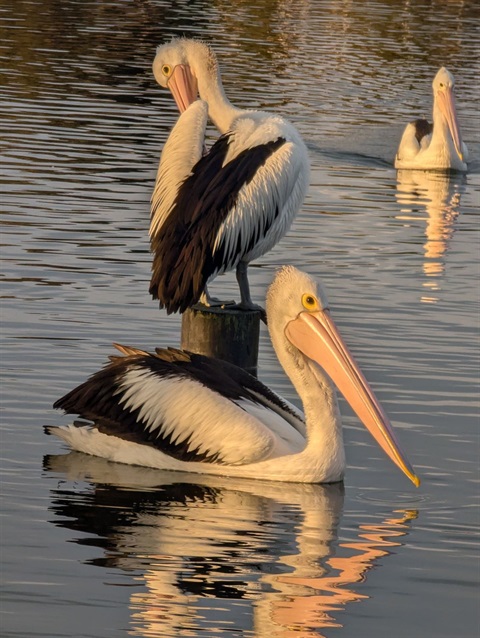
H5 bird flu has reached the Surf Coast Shire. This page contains information and links to useful resources from the Victorian agencies involved in the response.
The response is being led by Agriculture Victoria, part of the Victorian Government's Department of Energy, Environment and Climate Action (DEECA).
More info
Responding to bird flu
What should you do and how can you help?
DEECA is urging all members of the community to 'avoid, record and report' sick or dead birds and wildlife.
Report sick or dead wildlife
Report sick or dead wildlife online
If you find a dead or sick bird, follow this advice from Agriculture Victoria:
- AVOID touching or handling sick or dead birds or wildlife
- RECORD what you see, including the location and the number of birds affected
- REPORT clusters of five or more sick or dead wild birds of any species; and even a single sick or dead seabird, waterbird, shorebird, bird of prey, seal or dolphin.
Make a report using the Agriculture Victoria wildlife reporting form or phone the Emergency Animal Disease Hotline on 1800 675 888.
Sick or dead wildlife on Council-managed land
If a sick or dead bird is on Council-managed land and affecting use of a community facility, you can also report it to us via surfcoast.vic.gov.au/request or by calling 5261 0600.
Our staff will attend the site to make an assessment and determine if removal is required.
Signs of bird flu
H5 bird flu should be considered if a high proportion of a flock or group of birds becomes ill very quickly, progressing from normal to severe illness or death within 24-28 hours.
Keep watch for these signs of bird flu:
Wild birds
- can’t stand, walk, or fly properly
- droopy or puffed-up appearance
- breathing problems (panting or sneezing)
- unusual head or neck posture
- sudden death (especially in large numbers)
Poultry (chickens, ducks, etc.)
The first sign of bird flu may be the sudden death of some poultry. Other signs include:
- rapid drop in feed intake
- sudden drop in egg production
- typical ‘sick bird’ signs - ruffled feathers, depression, closed eyes
- diarrhoea
- birds having trouble breathing, coughing or sneezing
- lethargy or not eating/drinking
- swelling around the head, neck and eyes
- discharge from the eyes (conjunctivitis)
- twisted necks or unusual posture.
Further advice for keeping yourself and your pets safe
We urge everyone to:
- Keep dogs on a lead and prevent them from approaching or scavenging dead birds.
- Wash your hands thoroughly after outdoor activities, particularly if there has been any contact with bird droppings.
- Stay up to date with current advice issued on Agriculture Victoria's website.
Looking after yourself and each other
We understand many people are feeling deep sadness about the arrival of H5 bird flu and the impending loss of our wildlife.
Resources
Managing Stress After Emergencies(PDF, 50KB)
Children and Crisis(PDF, 48KB)
When Someone You Know has Experienced Trauma(PDF, 49KB)
More places to get help
It's normal to find this news overwhelming. If you or your family are experiencing ecological grief there are a few things you can do:
- Acknowledge the feelings - you do not have to do anything - acceptance is not giving up.
- Report sick or dead birds to Agriculture Victoria.
- Support local wildlife rehabilitation organisations.
- Participate in citizen science projects like Estuarywatch.
- Take breaks from social media and news channels.
- Spend time in nature.
- Connect with others who care about nature - join a local environmental or wildlife focused community group.
Advice for businesses and organisation
Please find resources and fact sheets to help you manage H5 bird flu for your business:
Further resources and fact sheets for businesses can be foundhere.
Businesses are welcome to print and display this poster to help raise awareness of H5 bird flu. DEECA-SCS-bird-flu-information-A4.pdf(PDF, 265KB)
DEECA community meeting
We hosted a community meeting in Torquay on behalf of DEECA to discuss the situation and answer community questions.
Watch the video, read the transcript, and see answers to community questions on the DEECA community meeting page:
Video, transcript and questions